What You Learn in Google Cybersecurity Professional Certificate and How It Builds Real IT Skills

Cybersecurity has become one of the most important areas of technology. As businesses move more operations online, the demand for professionals who can protect systems, networks, and sensitive information continues to grow.
For beginners, entering cybersecurity can seem difficult. Many people believe they need advanced programming skills or years of IT experience before they can start. However, beginner-focused programs like the Google Cybersecurity Professional Certificate provide a structured path to understand the fundamentals and develop practical IT skills.
The certificate is designed to introduce learners to cybersecurity concepts while building technical abilities that are useful in real-world IT environments.
This guide explains what you learn in the Google Cybersecurity Professional Certificate, the practical skills you develop, and how those skills can help you begin a cybersecurity career.
What Is the Google Cybersecurity Professional Certificate?
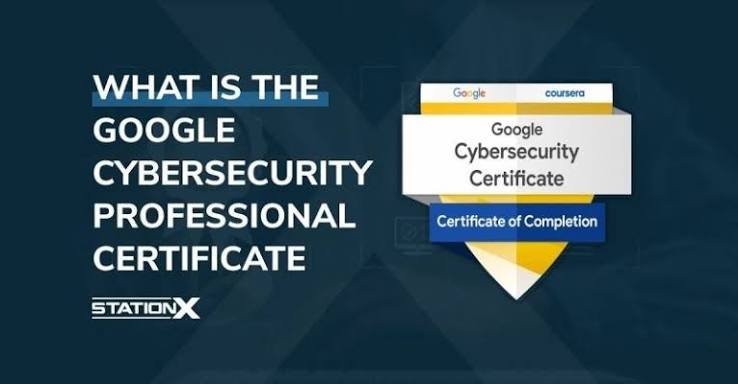
The Google Cybersecurity Professional Certificate is an online training program created for beginners who want to enter the cybersecurity field.
It focuses on teaching the foundation needed for entry-level cybersecurity roles, including:
- Security analysis
- Threat detection
- Network protection
- Risk management
- Incident response
- Security tools
- Programming basics
The course is designed for learners without previous cybersecurity experience, making it a popular starting point for people exploring technology careers.
Why Cybersecurity Skills Are Important Today
Every organization depends on technology, which means every organization faces security risks.
Cybersecurity professionals help protect:
- Customer information
- Business systems
- Financial records
- Networks
- Applications
- Cloud environments
Modern cyber threats include:
- Phishing attacks
- Malware
- Ransomware
- Data breaches
- Identity theft
- Unauthorized access
Because of these risks, companies need professionals who understand how to identify problems and improve security.
Overview of What You Learn
The Google Cybersecurity Professional Certificate covers several important areas:
- Cybersecurity foundations
- Risk management
- Network security
- Linux and command-line skills
- SQL for security analysis
- Python programming basics
- Security tools and monitoring
- Incident response
- Security frameworks and documentation
Each topic helps build practical skills needed in cybersecurity and IT roles.
1. Cybersecurity Fundamentals
The first part of the certificate introduces the basic ideas behind cybersecurity.
You learn:
- What cybersecurity means
- Why security is important
- How cyberattacks happen
- How organizations protect their systems
- The role of cybersecurity professionals
This foundation helps beginners understand the purpose of security teams and how they support businesses.
Real IT Skill You Build: Security Awareness
A major skill developed here is the ability to recognize security risks.
You learn to identify:
- Suspicious activities
- Unsafe practices
- Common attack methods
- Potential vulnerabilities
This skill is valuable because security begins with understanding possible threats.
2. Understanding Cybersecurity Threats
Cybersecurity professionals need to understand how attackers operate.
The certificate introduces common threats such as:
Malware
Malicious programs designed to harm systems or steal information.
Examples include:
- Viruses
- Spyware
- Ransomware
- Trojans
Phishing Attacks
Phishing uses fake communication to trick users.
Examples:
- Fake emails
- Fake login pages
- Fraudulent messages
Social Engineering
Attackers often target people instead of systems.
Social engineering techniques may involve:
- Impersonation
- Creating urgency
- Manipulating trust
Understanding these methods helps security professionals prevent successful attacks.
Real IT Skill You Build: Threat Identification
You learn how to recognize warning signs and understand how attackers attempt to compromise systems.
This skill is important for:
- Security monitoring
- User protection
- Incident prevention
3. Network Security Skills
Networks are the foundation of modern technology environments.
The course teaches basic networking and security concepts, including:
- Network communication
- IP addresses
- Network protocols
- Firewalls
- Network vulnerabilities
- Security controls
Understanding networks is essential because many cybersecurity problems involve network access and communication.
Real IT Skill You Build: Network Troubleshooting
Networking knowledge helps you:
- Identify connection problems
- Understand suspicious network activity
- Analyze security issues
- Protect communication systems
These skills are useful for both IT support and cybersecurity careers.
4. Linux and Command-Line Skills
Linux is widely used in cybersecurity, cloud computing, and server environments.
The certificate introduces Linux concepts such as:
- Navigating directories
- Managing files
- Using commands
- Understanding permissions
- Working with system information
Command-line knowledge is an important skill because many security tools require terminal usage.
Real IT Skill You Build: System Administration
Linux skills help you understand how systems operate.
You learn how to:
- Manage files
- Control access
- Investigate system activity
- Work with security environments
These skills are useful for security analysts and system administrators.
5. SQL Skills for Security Analysis
Cybersecurity professionals often analyze large amounts of information stored in databases.
The course introduces SQL basics, including:
- Searching databases
- Filtering information
- Understanding queries
- Finding specific records
SQL is useful when investigating security events or analyzing system data.
Real IT Skill You Build: Data Investigation
SQL helps security professionals:
- Review information
- Identify unusual activity
- Analyze security-related data
- Support investigations
Being comfortable with data is an increasingly important cybersecurity skill.
6. Python Programming Basics
Programming can make cybersecurity work faster and more efficient.
The certificate introduces Python concepts such as:
- Variables
- Functions
- Loops
- Automation
You learn how simple scripts can help complete repetitive tasks.
Examples include:
- Organizing files
- Processing information
- Automating basic security tasks
Real IT Skill You Build: Automation
Automation is valuable because cybersecurity teams often handle large amounts of information.
Python skills can help you:
- Reduce manual work
- Analyze data faster
- Create simple security tools
- Improve workflows
7. Security Tools and Monitoring
Cybersecurity professionals use tools to monitor systems and identify possible threats.
The certificate introduces concepts related to:
- Security monitoring
- Log analysis
- Detection methods
- Security investigations
Security monitoring helps organizations identify problems before they become major incidents.
Real IT Skill You Build: Security Analysis
You learn how to:
- Review security information
- Identify suspicious behavior
- Understand alerts
- Support security investigations
These are important skills for entry-level cybersecurity roles.
8. Incident Response Skills
Even strong security systems can experience attacks. When incidents happen, organizations need a structured response.
The certificate introduces the incident response process:
Identify
Find and understand the security issue.
Contain
Limit the spread of the problem.
Eradicate
Remove the threat.
Recover
Restore normal operations.
Document
Record what happened and improve future security.
Real IT Skill You Build: Problem Solving Under Pressure
Incident response teaches you how to:
- Analyze problems
- Follow procedures
- Make decisions
- Document solutions
These skills are valuable across many IT careers.
9. Security Frameworks and Risk Management
Organizations use security frameworks to create better protection strategies.
You learn about:
- Security policies
- Risk assessment
- Security controls
- Compliance concepts
Risk management helps organizations understand:
- What needs protection
- What threats exist
- How to reduce security risks
Real IT Skill You Build: Professional Security Thinking
You learn to approach cybersecurity strategically instead of only reacting to attacks.
This helps you understand how companies design security programs.
Practical IT Skills You Gain From the Certificate
After completing the program, learners develop knowledge in:
Technical Skills
✔ Network security basics
✔ Linux commands
✔ SQL queries
✔ Python fundamentals
✔ Security monitoring
✔ Threat identification
✔ Incident response
Professional Skills
✔ Problem-solving
✔ Documentation
✔ Security awareness
✔ Communication
✔ Analytical thinking
These skills create a strong foundation for entry-level technology roles.
Career Paths After Learning These Skills
The certificate can help prepare beginners for roles such as:
Cybersecurity Analyst
Tasks include:
- Monitoring systems
- Investigating alerts
- Supporting security operations
SOC Analyst
Security Operations Center analysts:
- Review security events
- Detect threats
- Respond to incidents
IT Security Specialist
Responsibilities include:
- Protecting systems
- Managing security processes
- Supporting security improvements
Junior Security Technician
Entry-level professionals may assist with:
- Security monitoring
- Documentation
- Basic investigations
How to Build More Real-World Experience
The certificate provides knowledge, but practical experience makes your skills stronger.
Create a Home Cybersecurity Lab
Practice with:
- Virtual machines
- Linux systems
- Network simulations
- Security tools
Complete Hands-On Projects
Examples:
- Analyze security logs
- Set up a secure network
- Practice Linux commands
- Write simple Python scripts
Learn Additional Security Skills
Continue exploring:
- Networking
- Cloud security
- Ethical hacking
- Digital forensics
- Security operations
Is the Google Cybersecurity Certificate Enough for a Job?
The certificate is a strong starting point, but cybersecurity careers require continuous learning.
Employers usually value candidates who have:
- Technical knowledge
- Practical experience
- Problem-solving ability
- Communication skills
- Security projects
The certificate helps you build the foundation, but practice is what turns knowledge into professional ability.
Final Thoughts
The Google Cybersecurity Professional Certificate teaches beginners many of the essential skills needed to understand modern cybersecurity. From networking and Linux to threat detection, SQL, Python, and incident response, the program provides a broad introduction to the security field.
Its biggest value is helping beginners develop a technology mindset and understand how security professionals protect digital systems.
For anyone starting a cybersecurity journey in 2026, this certificate can be a valuable first step. When combined with hands-on practice, personal projects, and continued learning, it can help build the skills needed to move toward a successful IT and cybersecurity career.