Learning Path: A Complete Guide to Personal and Professional Growth

Introduction
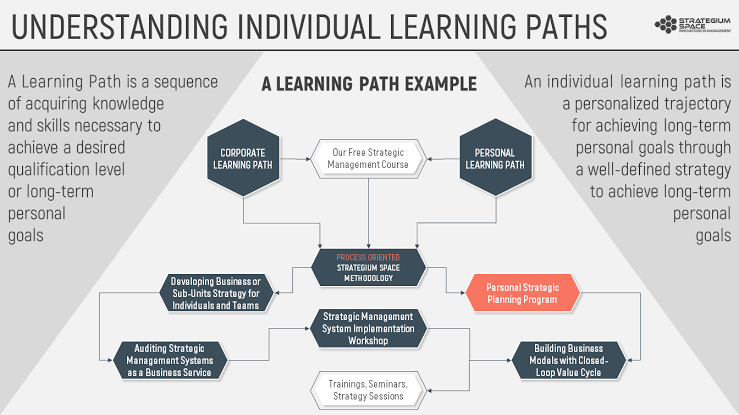
A learning path is a structured way to gain knowledge, develop skills, and achieve specific goals.
It helps learners understand what they need to study and how to progress step by step.
Whether someone wants to improve professionally or explore a new subject, a clear plan makes learning easier.
It also helps people stay motivated by breaking complex topics into manageable stages.
In today’s changing world, following the right learning path can open doors to new opportunities.
1. What Is a Learning Path?
A learning path is an organized sequence of learning activities designed to achieve a particular objective. It may include reading materials, online courses, practical exercises, workshops, and assessments. Instead of studying random topics, learners follow a clear direction based on their needs. This approach makes education more focused and meaningful. A learning path can be created for academic studies, career development, personal interests, or professional training. For example, someone interested in web development might begin with HTML, move to CSS, and then learn JavaScript. Each stage builds the knowledge required for the next one. As a result, learners can develop their abilities with greater confidence and purpose.
2. Why Is a Learning Path Important?
A well-designed learning path gives learners a clear understanding of where they are going and what they need to accomplish. Without a plan, it is easy to become confused by the amount of information available online. A structured approach helps people focus on relevant subjects rather than wasting time on unrelated material. It also makes progress easier to measure because each stage has a specific purpose. Learners can identify their strengths and recognize areas that need improvement. This clarity can increase motivation and reduce the frustration that sometimes comes with studying. A learning path is especially valuable when working toward a long-term goal. It turns a broad ambition into a series of achievable steps.
3. Different Types of Learning Paths
Learning paths can take several forms depending on a person’s goals and preferred learning style. An academic learning path focuses on subjects taught in schools, colleges, and universities. A professional learning path helps employees gain industry knowledge and prepare for career advancement. A technical learning path may cover programming, cybersecurity, data analysis, or other specialized skills. Personal learning paths are designed for hobbies, communication skills, creativity, or general knowledge. Some learners prefer self-paced online programs, while others benefit from instructor-led classes. Organizations may also create learning paths to train employees for specific responsibilities. Choosing the right type depends on individual interests, available resources, and the results a learner hopes to achieve.
4. How to Create an Effective Learning Path
Creating an effective learning path begins with identifying a clear and realistic goal. Learners should decide what they want to understand or accomplish before selecting study materials. The next step is to divide the goal into smaller topics that can be learned in a logical order. Suitable resources, such as books, tutorials, courses, and practice activities, can then be selected. Setting a weekly schedule helps create consistency without making the process overwhelming. It is also useful to include checkpoints to review progress and test understanding. Learners should remain flexible because some topics may require more attention than expected. With regular effort and occasional adjustments, a learning path becomes a practical guide rather than a restrictive plan.
5. The Role of Technology in a Learning Path
Technology has made learning more accessible by providing educational resources to people around the world. Online platforms offer video lessons, interactive exercises, digital textbooks, and virtual classrooms. Learners can study from home, during breaks, or whenever their schedules allow. Many platforms also recommend content based on a person’s current skills and learning goals. Progress-tracking tools can help users identify completed lessons and topics that need additional practice. Artificial intelligence can provide explanations, generate practice questions, and support personalized study plans. However, technology works best when learners use it thoughtfully and verify information from reliable sources. Combining digital resources with practical experience can make a learning path more engaging and effective.
6. Personalized Learning and Individual Needs
Every learner has different abilities, interests, and learning preferences. Some people understand concepts quickly through reading, while others learn more effectively through demonstrations or hands-on activities. A personalized learning path takes these differences into account and allows learners to work at a suitable pace. Beginners can focus on foundational concepts before moving toward advanced material. Experienced learners can skip familiar topics and concentrate on developing new skills. Personalization also makes it easier to balance learning with work, family, and other responsibilities. Regular feedback helps learners adjust their plans when their needs change. By respecting individual differences, a personalized learning path can create a more comfortable, relevant, and rewarding educational experience.
7. Learning Paths for Career Development
A learning path can play an important role in building a successful career. Many industries introduce new tools, technologies, and working methods, making continuous learning increasingly valuable. Employees can use structured plans to strengthen existing abilities or prepare for different responsibilities. For example, a marketing professional might study search engine optimization, analytics, and content strategy to expand their expertise. Someone entering the technology sector may begin with basic computer knowledge before pursuing specialized training. Career-focused learning paths can also include communication, teamwork, leadership, and problem-solving skills. These abilities are useful across many professions. By connecting learning activities with realistic career goals, individuals can make better decisions about their professional development.
8. The Benefits of Setting Learning Goals
Clear learning goals help people understand what they want to achieve and why it matters. A goal might involve completing a course, mastering a particular tool, or improving a practical skill. Specific objectives make it easier to choose relevant resources and organize study time. They also provide a way to evaluate progress instead of relying only on feelings of improvement. Dividing a large goal into smaller milestones can make challenging tasks feel more manageable. Celebrating these milestones may encourage learners to continue when motivation decreases. Goals should be realistic enough to remain achievable but challenging enough to encourage growth. When connected to a broader learning path, well-defined goals provide direction and help learners maintain steady progress.
9. Common Challenges in Following a Learning Path
Although a learning path provides structure, learners may still experience difficulties along the way. Busy schedules can make it challenging to study consistently, while complicated topics may require extra time and practice. Some people lose motivation when results take longer than expected. Others become distracted by new courses and repeatedly change their plans. These problems can be managed by setting reasonable expectations and choosing a schedule that fits daily life. Taking short breaks, reviewing earlier lessons, and practicing regularly can improve understanding. It is also important to remember that progress does not always happen at the same speed. A flexible learning path allows learners to overcome setbacks without abandoning their long-term goals.
10. Measuring Progress Along the Learning Path
Tracking progress helps learners determine whether their efforts are producing meaningful results. Simple methods include maintaining study notes, completing quizzes, recording finished lessons, and reviewing practical projects. Learners can compare their current abilities with their starting point to identify improvements. Feedback from teachers, mentors, colleagues, or other knowledgeable people can reveal gaps that may be difficult to notice independently. Regular assessments also help determine whether it is time to move to a more advanced topic. However, progress should not be measured only by certificates or completed courses. The ability to apply knowledge in real situations is equally important. By reviewing achievements and difficulties regularly, learners can make informed adjustments to their learning path.
11. The Importance of Practical Experience
Understanding a concept is valuable, but applying it in real situations helps turn knowledge into a usable skill. Practical experience can include completing projects, solving realistic problems, participating in internships, or practicing through simulations. For instance, a learner studying graphic design can build a portfolio rather than only watching instructional videos. Someone learning a language can practice conversations instead of relying entirely on grammar exercises. These activities reveal how well theoretical knowledge works outside a lesson. They also help learners develop confidence, creativity, and problem-solving abilities. Mistakes during practice provide opportunities to discover what needs improvement. Including hands-on activities in a learning path creates a stronger connection between learning and real-world performance.
12. The Future of Learning Paths
The future of learning paths is likely to involve greater flexibility, personalization, and access to digital resources. Educational platforms are increasingly able to recommend lessons based on individual progress and skill requirements. Short courses and skill-based programs can help learners respond to changing workplace expectations. At the same time, employers may place greater emphasis on demonstrated abilities alongside traditional qualifications. People will also need to evaluate online information carefully and develop the judgment required to use new technologies responsibly. Human guidance, collaboration, and practical experience will continue to contribute to effective learning. As education evolves, learners who remain curious and adaptable will be better prepared for change. A thoughtful learning path can help them continue developing throughout their lives.
Conclusion
A learning path provides a practical framework for gaining knowledge and developing useful skills. It helps learners organize their efforts, set meaningful goals, and measure their progress over time. By combining reliable resources, regular practice, and consistent evaluation, individuals can make learning more manageable and rewarding. The most effective learning path is one that reflects personal needs while remaining flexible enough to accommodate change. Whether the goal is career advancement, academic achievement, or personal growth, continuous learning can create valuable opportunities. With patience, curiosity, and a clear sense of direction, anyone can take meaningful steps toward becoming a more capable and confident learner.
Frequently Asked Questions (FAQs)
1. What is a learning path?
A learning path is a planned sequence of lessons, activities, and resources designed to help someone achieve a specific learning goal. It provides direction and makes progress easier to organize.
2. How can I create my own learning path?
Start by choosing a clear goal, identifying the skills you need, and arranging relevant topics in a logical order. Select suitable learning materials, create a realistic schedule, and review your progress regularly.
3. Can a learning path help me improve my career?
Yes. A career-focused learning path can help you develop job-related skills, understand industry requirements, and prepare for new professional opportunities. Practical projects and relevant training can make your progress easier to demonstrate.