How to Pass Google Data Analytics Certificate: A Complete Study Guide for Beginners

Data analytics has become one of the most in-demand skills in today’s job market. Businesses across industries use data to improve decision-making, understand customer behavior, increase efficiency, and solve complex business problems. As demand for skilled data analysts continues to grow, many beginners are turning to the Google Data Analytics Certificate as an accessible way to start a career in analytics.
The Google Data Analytics Certificate is designed for learners with little or no previous experience. While the course is beginner-friendly, passing it successfully still requires dedication, consistent study, and hands-on practice. Many learners wonder whether the program is difficult and what strategies will help them complete it with confidence.
This guide explains How to Pass Google Data Analytics Certificate by covering effective study techniques, course preparation, practice tips, module-by-module advice, common mistakes to avoid, and best practices that will help you succeed in 2026.
What Is the Google Data Analytics Certificate?
The Google Data Analytics Certificate is an entry-level professional certificate program created to teach practical data analytics skills.
Instead of focusing only on theory, the program combines interactive lessons, business case studies, quizzes, and hands-on projects that simulate real-world data analysis tasks.
Throughout the program, you’ll learn:
- Data analytics fundamentals
- Data collection
- Data cleaning
- Spreadsheet analysis
- SQL
- Data visualization
- Data storytelling
- Analytical thinking
The certificate is designed to prepare learners for entry-level data analytics careers.
Is the Google Data Analytics Certificate Difficult?
For most beginners, the course is challenging but manageable.
The lessons are explained clearly, and no previous programming or analytics experience is required. However, you’ll still need to:
- Study consistently
- Complete every module
- Practice with real datasets
- Review important concepts
- Develop analytical thinking
With regular practice and commitment, most learners can successfully complete the program.
Understand the Course Structure
Before starting, it’s helpful to understand how the program is organized.
The course is divided into several learning modules that gradually introduce data analytics concepts.
Each module includes:
- Video lessons
- Reading materials
- Hands-on projects
- Interactive exercises
- Quizzes
- Practical assignments
Knowing the structure helps you plan your learning schedule effectively.
Create a Weekly Study Plan
One of the biggest reasons learners struggle is inconsistent studying.
Instead of trying to finish everything quickly, create a realistic weekly study routine.
Monday
- Watch new video lessons
- Take detailed notes
Tuesday
- Read course materials
- Review important concepts
Wednesday
- Practice spreadsheet exercises
Thursday
- Practice SQL queries
Friday
- Complete quizzes and assignments
Weekend
- Review previous lessons
- Practice with sample datasets
- Strengthen weak areas
Studying consistently is far more effective than cramming before assessments.
Take Notes While Learning
Writing notes helps improve understanding and long-term memory.
Focus on recording:
- Key definitions
- Data analytics terminology
- Business concepts
- SQL commands
- Spreadsheet functions
- Visualization techniques
Summarizing concepts in your own words makes revision much easier.
Master the Data Analytics Process
The course follows a complete data analysis workflow.
Spend extra time understanding each stage:
- Ask the right questions
- Collect data
- Clean data
- Analyze information
- Visualize results
- Share insights
- Support business decisions
Understanding this process is essential for success.
Practice Spreadsheet Skills
Spreadsheets are one of the most important tools in the course.
Practice:
- Formulas
- Functions
- Sorting
- Filtering
- Conditional formatting
- Pivot tables
- Data organization
The more comfortable you become with spreadsheets, the easier later modules will feel.
Learn SQL Step by Step
SQL is one of the most valuable technical skills you’ll learn.
Focus on understanding:
- SELECT statements
- WHERE clauses
- ORDER BY
- GROUP BY
- Filtering records
- Retrieving information
- Basic database concepts
Instead of memorizing commands, practice writing SQL queries regularly.
Understand Data Cleaning
Many beginners underestimate the importance of data cleaning.
Learn how to:
- Remove duplicate records
- Handle missing values
- Correct formatting errors
- Standardize datasets
- Organize information
Clean data leads to better analysis.
Practice Data Visualization
Creating clear charts and dashboards is an essential skill.
Learn how to:
- Choose the right chart
- Highlight trends
- Compare values
- Present information clearly
- Avoid misleading visuals
Good visualizations make complex data easier to understand.
Focus on Business Thinking
Data analytics is about solving business problems—not just working with numbers.
Ask yourself:
- What problem is being solved?
- What does the data reveal?
- What decision should be made?
- How can this information help the business?
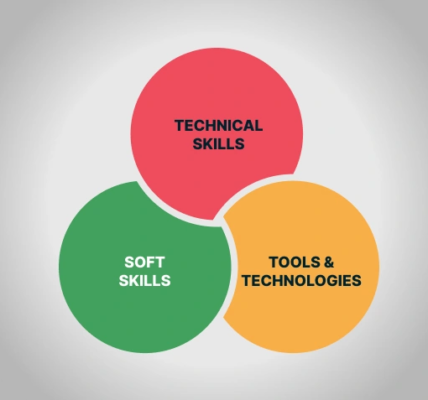
Analytical thinking is just as important as technical skills.
Complete Every Hands-On Project
Hands-on projects are one of the most valuable parts of the course.
Do not skip:
- Case studies
- Business projects
- Practice exercises
- SQL assignments
- Spreadsheet activities
These projects help build confidence and practical experience.
Review Quiz Mistakes
Whenever you answer a quiz incorrectly:
- Read the explanation
- Review the lesson
- Understand why the answer was wrong
- Practice similar questions
Learning from mistakes improves long-term retention.
Practice Outside the Course
Additional practice will strengthen your skills.
You can:
- Analyze public datasets
- Build simple dashboards
- Practice SQL online
- Read data analytics blogs
- Explore spreadsheet tutorials
- Study business reports
Real-world practice helps reinforce classroom learning.
Avoid Common Beginner Mistakes
Many learners make similar mistakes.
Avoid:
- Skipping modules
- Memorizing instead of understanding
- Ignoring SQL practice
- Avoiding hands-on projects
- Not reviewing mistakes
- Rushing through lessons
Good study habits lead to better results.
Stay Consistent
Data analytics is a skill that improves with regular practice.
Even studying for 30–60 minutes each day is better than studying several hours only once a week.
Consistency is one of the biggest factors in passing the certificate successfully.
Benefits of Completing the Certificate
Passing the Google Data Analytics Certificate helps you:
- Build practical analytics skills
- Strengthen your resume
- Improve problem-solving abilities
- Learn business decision-making
- Prepare for entry-level analytics careers
It also provides a strong foundation for advanced tools such as Python, Tableau, Power BI, and data science.
Career Opportunities After Passing
Completing the Google Data Analytics Certificate can help prepare you for roles such as:
- Junior Data Analyst
- Business Analyst
- Reporting Analyst
- Marketing Analyst
- Operations Analyst
- Data Coordinator
- Financial Data Assistant
- Business Intelligence Assistant
- Spreadsheet Analyst
- Data Technician
These roles offer excellent opportunities for long-term career growth.
Tips for Success
To maximize your chances of passing:
Study Every Week
Consistency is more effective than last-minute studying.
Practice SQL Daily
Even a few queries each day can improve your confidence.
Work with Real Data
Practice analyzing publicly available datasets to build experience.
Review Frequently
Repetition helps strengthen long-term understanding.
Continue Learning
After completing the certificate, continue developing your skills with advanced analytics tools and real-world projects.
Frequently Asked Questions
Is the Google Data Analytics Certificate suitable for beginners?
Yes. The program is designed specifically for learners with little or no previous analytics experience.
Do I need programming knowledge?
No. Advanced programming skills are not required to begin the certificate.
Is the certificate difficult?
Most learners find it manageable with consistent study and regular practice.
How long does it take to complete?
The program is self-paced, allowing learners to progress according to their own schedules.
Can passing the certificate help me start a data analytics career?
Yes. The certificate provides foundational knowledge and practical skills that can help prepare you for entry-level analytics roles, especially when combined with hands-on projects and continued learning.
Final Thoughts
Passing the Google Data Analytics Certificate is achievable for anyone willing to learn consistently and practice regularly. The program is designed with beginners in mind, making it accessible even if you have no previous experience in analytics or programming. By following a structured study plan, mastering spreadsheet and SQL skills, completing every hands-on project, and practicing with real-world datasets, you’ll significantly improve your chances of success.
Remember that earning the certificate is only the beginning of your data analytics journey. Continue building your portfolio, exploring advanced tools, and developing your analytical thinking to stay competitive in this rapidly growing field. With dedication and continuous learning, the Google Data Analytics Certificate can become the foundation of a successful and rewarding career in data analytics.