Ultimate 2026 AI Development Guide: Complete Overview of Artificial Intelligence Development, Tools, Benefits, and Future Trends

Introduction to AI Development
Artificial Intelligence (AI) has become one of the most powerful technologies shaping the modern world. From smartphones and search engines to healthcare systems and business automation, AI is influencing almost every industry. At the center of this technological revolution is AI Development, the process of designing, building, training, and improving intelligent systems that can perform tasks similar to human intelligence.
AI Development is not just about creating machines that can think. It involves developing software and algorithms that allow computers to learn from data, recognize patterns, make decisions, understand human language, and solve complex problems. As organizations continue to adopt digital transformation, the demand for AI Development experts, tools, and solutions is increasing rapidly.
Today, AI Development plays a major role in industries such as healthcare, finance, education, marketing, manufacturing, transportation, and entertainment. Companies use artificial intelligence to improve efficiency, reduce costs, provide personalized experiences, and create innovative products.
This complete guide explains everything about AI Development, including its meaning, history, working process, technologies, applications, benefits, challenges, and future possibilities.
What Is AI Development?
AI Development is the process of creating artificial intelligence systems that can perform tasks normally requiring human intelligence. These tasks may include learning, reasoning, problem-solving, decision-making, language understanding, image recognition, and prediction.
An AI system is created by combining several technologies, including:
- Machine Learning
- Deep Learning
- Neural Networks
- Natural Language Processing
- Computer Vision
- Data Science
- Automation Technologies
AI developers use programming languages, algorithms, data, and computing resources to build intelligent applications. These applications can analyze large amounts of information and provide accurate results without direct human control.
For example, recommendation systems on online platforms use AI Development to understand user behavior and suggest relevant products, movies, or videos. Voice assistants use AI Development to understand spoken commands and respond naturally.
In simple words, AI Development is the foundation behind smart machines that can learn, adapt, and improve over time.
History of AI Development
The journey of AI Development started several decades ago. Although artificial intelligence seems like a modern technology, researchers have been exploring machine intelligence since the twentieth century.
In the 1950s, computer scientists began studying whether machines could simulate human thinking. One of the earliest milestones was the idea of creating machines that could solve problems and make logical decisions.
During the following decades, AI Development experienced different phases:
Early AI Research
Early AI systems were based on simple rules and logical instructions. These systems could perform limited tasks but lacked the ability to learn from experience.
Machine Learning Growth
With the growth of computing power and data availability, researchers developed machine learning techniques. Instead of programming every decision manually, machines could learn patterns from large datasets.
Deep Learning Revolution
Deep learning changed AI Development by introducing advanced neural networks inspired by the human brain. These models allowed computers to process images, speech, and complex information with high accuracy.
Modern AI Development
Today, AI Development includes advanced technologies such as generative AI, large language models, autonomous systems, and intelligent automation. Modern AI applications can create content, analyze information, generate images, assist businesses, and support scientific research.
Why AI Development Is Important Today
AI Development has become essential because businesses and individuals generate massive amounts of data every day. Traditional software systems cannot always analyze and understand this information efficiently.
Artificial intelligence helps organizations transform data into valuable insights.
Some major reasons why AI Development is important include:
1. Automation of Tasks
AI Development allows companies to automate repetitive tasks. Automated systems can handle customer support, data analysis, scheduling, and many other operations.
2. Better Decision Making
AI systems can analyze large datasets quickly and identify patterns that humans may miss. This helps businesses make smarter decisions.
3. Improved Customer Experience
Companies use AI Development to create personalized recommendations, chatbots, and intelligent customer service solutions.
4. Innovation Across Industries
AI Development is helping create new solutions in healthcare, transportation, science, and communication.
5. Increased Productivity
AI-powered tools help individuals and organizations complete work faster and more efficiently.
How AI Development Works
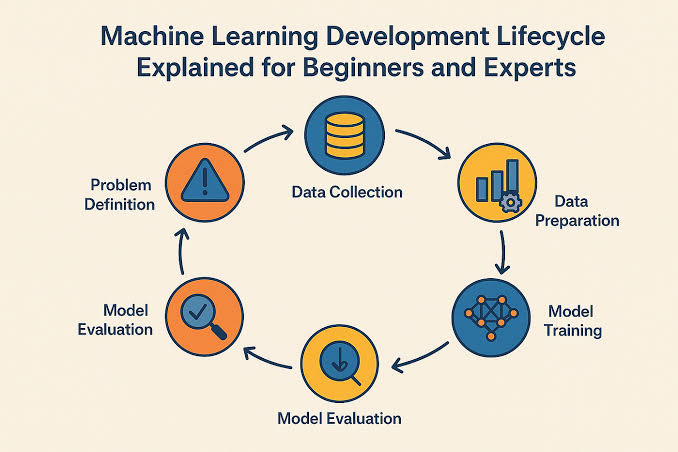
AI Development involves multiple steps that help transform an idea into an intelligent system. The process requires planning, data preparation, model creation, testing, and continuous improvement.
Identifying the Problem
The first step in AI Development is understanding the problem that needs to be solved. Developers define the goal of the AI system and determine what type of intelligence is required.
For example:
- Predicting customer behavior
- Detecting fraud
- Recognizing images
- Understanding human language
Collecting Data
Data is the foundation of AI Development. AI models learn from examples, so developers collect relevant and high-quality data.
Data may include:
- Text
- Images
- Videos
- Audio files
- Numbers
- User behavior information
The quality of data directly affects the performance of an AI system.
Preparing Data
Raw data often contains errors, missing information, or unnecessary details. AI developers clean and organize data before using it for training.
This process includes:
- Data cleaning
- Data labeling
- Data formatting
- Data organization
Building AI Models
After preparing data, developers create AI models using algorithms and frameworks. These models are designed to identify patterns and make predictions.
Training the Model
During training, an AI model analyzes data and improves its ability to perform specific tasks. The more relevant and accurate training data it receives, the better the model becomes.
Testing and Deployment
Before releasing an AI system, developers test its accuracy, security, and performance. After successful testing, the AI solution is deployed for real-world use.
Continuous Improvement
AI Development does not stop after deployment. Developers continue improving models by adding new data and updating algorithms.
The Growing Demand for AI Development
The demand for AI Development is increasing because organizations worldwide are investing in intelligent technologies. Businesses want faster operations, better customer experiences, and innovative solutions.
AI developers are becoming valuable professionals because they help create the next generation of technology.
Companies are looking for experts who understand:
- Programming
- Data analysis
- Machine learning
- AI algorithms
- Cloud computing
- Software development
As artificial intelligence continues to grow, AI Development will remain one of the most important technology fields in the future.
Types of AI Development: Understanding Different Areas of Artificial Intelligence
Artificial Intelligence is a broad field that includes many different technologies and approaches. AI Development is divided into several categories based on how machines learn, process information, and interact with humans. Each type of AI Development focuses on solving specific problems and creating intelligent solutions for different industries.
Understanding the different types of AI Development helps businesses, developers, and students understand how artificial intelligence works and where it can be applied.
1. Machine Learning Development
Machine Learning (ML) is one of the most important parts of AI Development. It allows computers to learn from data without being directly programmed for every task.
In traditional software development, developers create fixed instructions that tell a computer what to do. In machine learning, AI systems analyze data, discover patterns, and improve their performance through experience.
Machine Learning Development is commonly used for:
- Predicting future trends
- Detecting fraud
- Recommending products
- Analyzing customer behavior
- Recognizing patterns in data
For example, online shopping platforms use machine learning algorithms to understand customer interests and recommend products based on previous searches and purchases.
Types of Machine Learning
Machine learning is generally divided into three major categories:
Supervised Learning
Supervised learning uses labeled data to train AI models. The system learns from examples where the correct answers are already available.
Examples:
- Email spam detection
- Price prediction
- Image classification
Unsupervised Learning
Unsupervised learning allows AI systems to discover hidden patterns in data without predefined labels.
Examples:
- Customer segmentation
- Market analysis
- Data grouping
Reinforcement Learning
Reinforcement learning teaches AI systems through rewards and penalties. The system learns by trying different actions and improving based on results.
Examples:
- Robotics
- Game-playing AI
- Autonomous systems
2. Deep Learning Development
Deep Learning is an advanced branch of Machine Learning that uses artificial neural networks to process complex information.
Deep Learning Development is inspired by the structure of the human brain. It uses multiple layers of artificial neurons to analyze large amounts of data.
Deep learning has improved the accuracy of AI systems in areas such as:
- Image recognition
- Speech recognition
- Medical diagnosis
- Autonomous vehicles
- Language processing
Neural Networks in AI Development
Neural networks are the foundation of deep learning. They consist of connected layers that process information and identify patterns.
The main layers include:
Input Layer
The input layer receives information from users or external sources.
Hidden Layers
Hidden layers analyze and transform information using mathematical operations.
Output Layer
The output layer provides the final result or prediction.
Deep learning models require large amounts of data and powerful computing resources, but they can achieve highly accurate results.
3. Generative AI Development
Generative AI Development is one of the fastest-growing areas of artificial intelligence. It focuses on creating AI systems that can generate new content.
Unlike traditional AI systems that only analyze information, generative AI can produce:
- Text
- Images
- Videos
- Music
- Software code
- Digital designs
Generative AI models learn patterns from existing data and use that knowledge to create new content.
Examples of Generative AI Applications
AI Writing Tools
Generative AI can help create articles, reports, marketing content, and educational materials.
Image Generation
AI models can create realistic images based on written descriptions.
Code Generation
AI tools can assist developers by generating programming code and suggesting improvements.
Business Content Creation
Companies use generative AI for advertisements, product descriptions, and customer communication.
Generative AI Development is changing how people create and interact with technology.
4. Natural Language Processing (NLP) Development
Natural Language Processing is a specialized area of AI Development that focuses on enabling computers to understand and communicate using human language.
Humans communicate through languages such as English, Spanish, Arabic, and many others. NLP allows computers to process, understand, and generate human language.
Applications of NLP Development
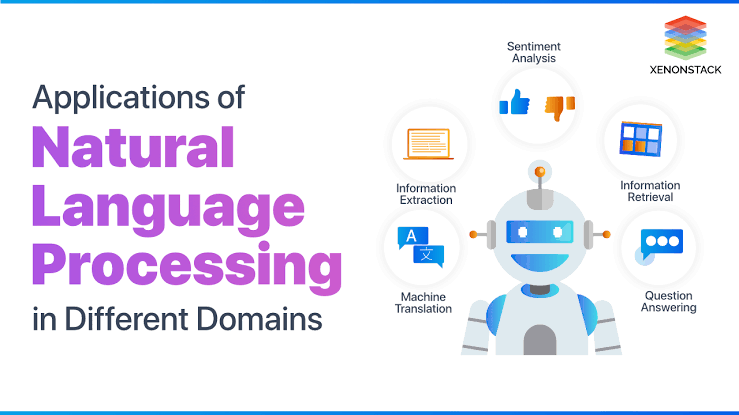
Chatbots
Businesses use AI-powered chatbots to answer customer questions and provide support.
Voice Assistants
Virtual assistants use NLP to understand spoken commands.
Translation Systems
AI translation tools convert text from one language to another.
Sentiment Analysis
Companies analyze customer reviews and social media comments to understand opinions.
NLP Development has made communication between humans and machines more natural.
5. Computer Vision AI Development
Computer Vision is a field of AI Development that enables computers to understand and analyze visual information.
Using cameras, images, and videos, AI systems can identify objects, faces, and patterns.
Applications of Computer Vision
Facial Recognition
AI systems can identify individuals using facial features.
Healthcare Imaging
Doctors use AI to analyze medical scans and detect diseases.
Security Systems
Organizations use computer vision for monitoring and threat detection.
Autonomous Vehicles
Self-driving cars use computer vision to understand roads, traffic signs, and obstacles.
Computer Vision AI Development continues to improve accuracy and create new possibilities.
6. Robotics AI Development
Robotics AI Development combines artificial intelligence with physical machines. The goal is to create robots that can understand environments and perform tasks independently.
AI-powered robots are used in:
- Manufacturing
- Healthcare
- Agriculture
- Space exploration
- Warehouses
Modern robots can learn from experience, recognize objects, and make decisions based on their surroundings.
7. Autonomous AI Development
Autonomous AI focuses on creating systems that can operate with minimal human involvement.
Examples include:
- Self-driving vehicles
- Automated delivery systems
- Smart assistants
- Industrial automation systems
These AI solutions use sensors, machine learning models, and decision-making algorithms to perform tasks independently.
8. AI Software Development
AI Software Development involves creating applications that include artificial intelligence features.
Developers build AI-powered software for:
- Mobile applications
- Websites
- Business platforms
- Enterprise systems
AI software can provide intelligent recommendations, automate processes, and improve user experiences.
Importance of Different AI Development Fields
Every area of AI Development serves a unique purpose. Machine learning helps computers learn from data, deep learning handles complex problems, NLP improves communication, and computer vision helps machines understand the visual world.
Together, these technologies create powerful AI solutions that are transforming modern society.
As AI continues to evolve, new areas of AI Development will continue to emerge, creating more opportunities for businesses, developers, and technology professionals.
Frequently Asked Questions (FAQs) About AI Development
1. What is AI Development?
AI Development is the process of creating intelligent computer systems that can perform tasks that usually require human intelligence. It involves technologies like machine learning, deep learning, natural language processing, and computer vision to help machines learn, analyze information, and make decisions.
2. Why is AI Development important for businesses?
AI Development helps businesses improve efficiency, automate repetitive tasks, analyze large amounts of data, reduce costs, and provide better customer experiences. Companies use AI solutions to make smarter decisions and create innovative products and services.
3. What skills are required to become an AI Developer?
An AI Developer needs skills in programming languages such as Python, data analysis, machine learning algorithms, mathematics, statistics, databases, and AI frameworks like TensorFlow and PyTorch. Knowledge of software development and problem-solving is also important.
4. What are the main applications of AI Development?
AI Development is used in many industries, including healthcare, finance, education, marketing, transportation, manufacturing, and entertainment. Common applications include chatbots, recommendation systems, fraud detection, medical diagnosis, voice assistants, and autonomous vehicles.
5. What is the future of AI Development?
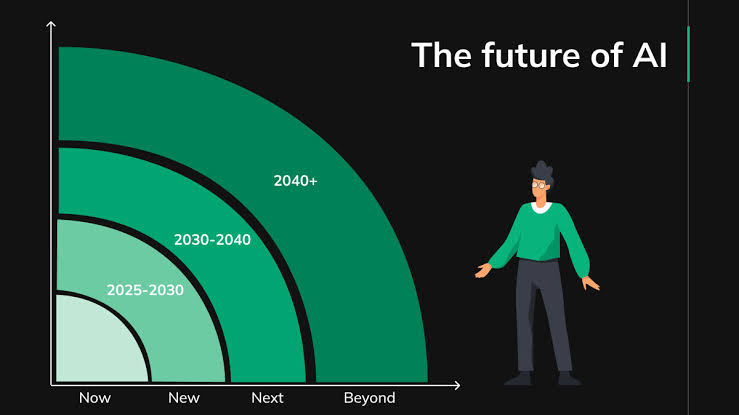
The future of AI Development is expected to bring more advanced intelligent systems, automation, personalized experiences, and innovative technologies. As AI continues to improve, it will create new opportunities in businesses, research, healthcare, and everyday life.
Conclusion
AI Development has become one of the most important technologies in the modern digital world. It is transforming industries by helping businesses automate tasks, analyze data, improve decision-making, and create innovative solutions. From machine learning and deep learning to generative AI and computer vision, artificial intelligence continues to expand its possibilities. As technology advances, the demand for AI developers and intelligent systems will continue to grow. Learning about AI Development provides valuable opportunities for businesses, students, and professionals. The future of AI is full of innovation, and this technology will continue to shape the way people work and live.