12 “AI Assistance: How Artificial Intelligence Is Changing the Way We Work, Learn, and Live”

Introduction to AI Assistance
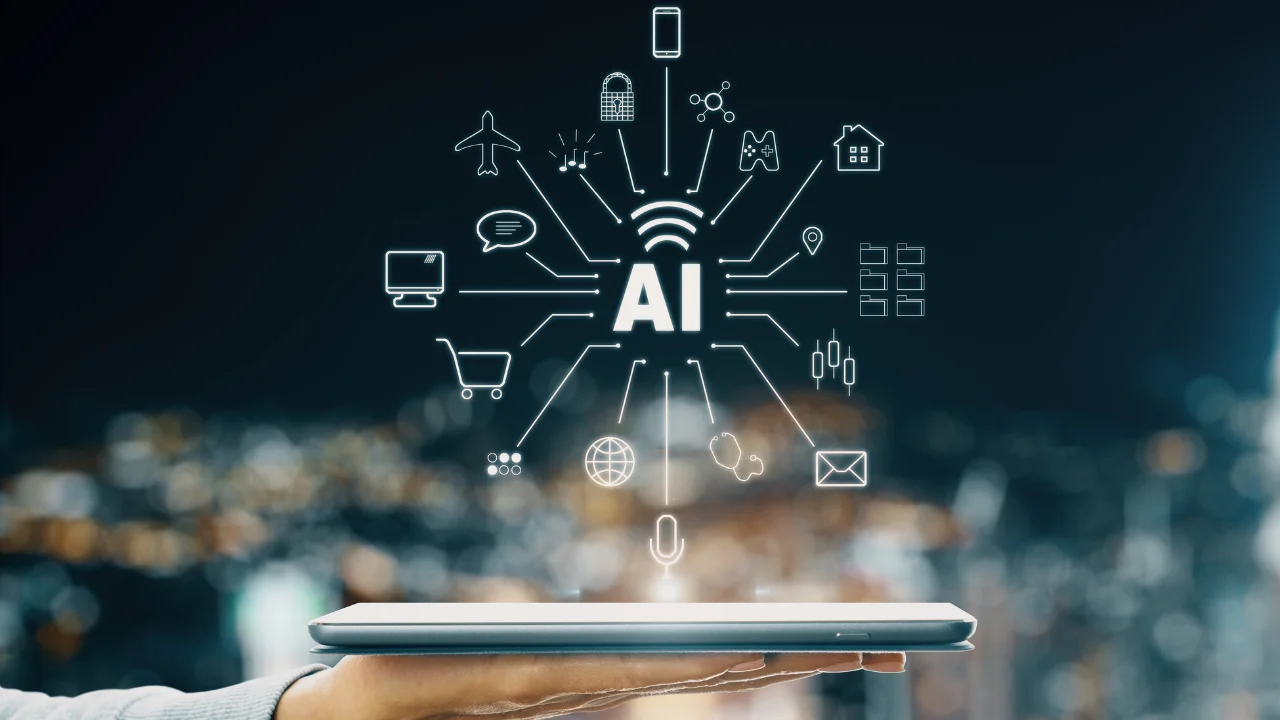
Artificial intelligence has become one of the most influential technologies of the modern era. From smartphones and online platforms to businesses and educational systems, AI is helping people complete tasks faster, make better decisions, and improve productivity. One of the most important applications of artificial intelligence today is AI Assistance.
AI Assistance refers to the use of artificial intelligence systems that help individuals and organizations perform tasks, solve problems, organize information, and improve daily activities. These intelligent systems can understand human instructions, analyze data, generate content, provide recommendations, and support users in different areas of life.
In the past, people depended mainly on traditional software programs that followed fixed instructions. Today, AI-powered assistants can learn patterns, understand context, and provide personalized support. This development has transformed the way people interact with technology.
Whether it is helping a student understand a difficult topic, assisting a professional with research, supporting a business with customer service, or helping individuals manage their schedules, AI Assistance is becoming a valuable part of everyday life.
What Is AI Assistance?
AI Assistance is a technology that uses artificial intelligence to provide support and guidance to users. It combines machine learning, natural language processing, data analysis, and automation to perform tasks that usually require human intelligence.
An AI assistant can answer questions, write documents, analyze information, translate languages, summarize content, and help users complete complex activities. Unlike traditional tools, AI Assistance can understand user needs and provide responses based on available information.
Examples of AI Assistance include:
- Virtual assistants that help manage daily tasks
- AI writing tools that support content creation
- Customer service chatbots
- AI-powered research assistants
- Smart recommendation systems
- Educational AI tutors
- Business automation tools
The main purpose of AI Assistance is not only to replace manual work but also to improve human abilities by providing faster and smarter solutions.
The Growth of AI Assistance in Modern Society
The growth of AI Assistance has been rapid because businesses and individuals are searching for better ways to save time and increase efficiency. The availability of advanced computing power and large amounts of digital data has allowed AI systems to become more accurate and useful.
Today, AI Assistance is used in many industries, including:
Healthcare
In healthcare, AI Assistance helps doctors and medical professionals analyze information, organize patient records, and support research. AI systems can help identify patterns in medical data and assist professionals in making informed decisions.
Education
Students and teachers are using AI Assistance to improve learning experiences. AI-powered tools can explain concepts, provide practice exercises, and help learners develop new skills.
Business
Companies use AI Assistance to improve customer support, analyze market trends, automate repetitive tasks, and increase workplace productivity.
Finance
Financial organizations use AI systems for data analysis, fraud detection, and personalized financial recommendations.
Personal Life
Individuals use AI Assistance for planning, reminders, communication, entertainment recommendations, and daily organization.
How AI Assistance Works
AI Assistance works through a combination of several advanced technologies. These technologies allow AI systems to understand information and provide useful responses.
Natural Language Processing
Natural Language Processing (NLP) allows AI systems to understand and communicate using human language. This technology helps AI assistants interpret questions, understand instructions, and generate meaningful answers.
Machine Learning
Machine learning enables AI systems to improve their performance by learning from data. Instead of being programmed for every possible situation, AI models identify patterns and make predictions based on previous information.
Data Analysis
AI Assistance uses data analysis to process large amounts of information quickly. This helps users discover insights and make better decisions.
Automation
Automation allows AI systems to complete repetitive tasks without constant human involvement. This saves time and allows people to focus on more important activities.
Benefits of AI Assistance
AI Assistance provides many benefits for individuals, businesses, and organizations.
Increased Productivity
One of the biggest advantages of AI Assistance is improved productivity. AI tools can complete tasks quickly, allowing people to focus on creative and strategic activities.
Time Saving
AI assistants can handle repetitive work such as organizing information, creating summaries, and managing schedules. This reduces the amount of time required for everyday tasks.
Better Decision Making
AI Assistance can analyze large amounts of data and provide useful insights. This helps users make informed decisions based on available information.
Personalized Support
AI systems can provide customized recommendations based on user preferences and needs. This creates a more personalized experience.
Improved Accessibility
AI Assistance helps people access information and services more easily. Language translation, voice recognition, and smart tools make technology more accessible for different users.
AI Assistance in Everyday Life
Many people interact with AI Assistance without even realizing it. Modern technology includes AI features designed to make daily activities easier.
Examples include:
- Voice assistants on smartphones
- Smart home devices
- Navigation applications
- Email filtering systems
- Online shopping recommendations
- Digital customer support
These tools help users save time and complete tasks more efficiently.
The Future of AI Assistance
The future of AI Assistance is expected to bring even more advanced solutions. As artificial intelligence continues to develop, AI systems will become more accurate, personalized, and capable.
Future AI assistants may provide deeper support in areas such as:
- Advanced personal planning
- Professional decision support
- Real-time learning assistance
- Business automation
- Creative collaboration
AI Assistance will likely become an important partner for humans, helping people work smarter and achieve better results.
The Role of AI Assistance in Different Industries
Artificial intelligence has moved beyond being a futuristic concept. Today, AI Assistance is becoming a practical solution for individuals, companies, and organizations across the world. Different industries are adopting AI-powered systems to improve efficiency, reduce costs, and provide better experiences.
The ability of AI systems to analyze information, understand human requests, and provide useful suggestions makes them valuable in many professional fields.
AI Assistance in Healthcare
Healthcare is one of the most important areas where AI Assistance is creating significant improvements. Medical professionals deal with large amounts of information every day, including patient records, medical research, and diagnostic data.
AI-powered healthcare assistants can help doctors and healthcare workers by organizing information, identifying patterns, and supporting medical research.
Some major uses of AI Assistance in healthcare include:
Medical Research Support
Researchers use AI tools to analyze large amounts of scientific information. AI can help discover relationships between data points and speed up research processes.
Patient Management
AI Assistance can help hospitals manage appointments, patient information, and communication. Automated systems can answer common questions and provide basic guidance.
Health Monitoring
Smart devices and AI systems can monitor health-related information and provide users with helpful insights about their daily activities.
Although AI Assistance supports healthcare professionals, human expertise remains essential for medical decisions and patient care.
AI Assistance in Education
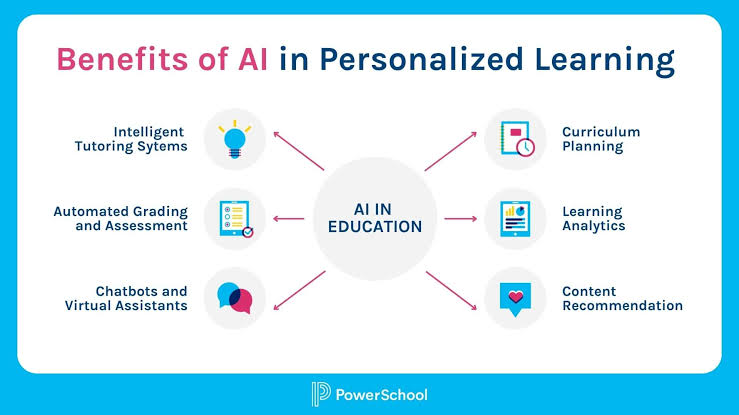
Education has changed significantly with the introduction of artificial intelligence. Students and teachers are using AI Assistance to create better learning experiences.
AI educational tools can provide:
- Personalized learning support
- Quick explanations of difficult topics
- Language learning assistance
- Study planning
- Practice questions
- Learning recommendations
Every student has a different learning style. AI Assistance can adapt educational content according to individual needs, helping learners understand topics more effectively.
Teachers can also use AI tools to prepare lessons, organize educational materials, and save time on administrative tasks.
AI Assistance in Business and Companies
Businesses are among the biggest users of AI Assistance. Companies use artificial intelligence to improve operations, understand customers, and increase productivity.
Customer Service
AI chatbots and virtual assistants help companies respond to customer questions quickly. They can provide information, guide users, and handle common requests at any time.
Marketing Support
AI Assistance helps marketers analyze customer behavior, identify trends, and create better strategies.
Companies can use AI tools to:
- Analyze customer preferences
- Improve advertising campaigns
- Generate content ideas
- Understand market changes
Workplace Productivity
Employees use AI Assistance for writing, research, scheduling, data organization, and communication. These tools allow professionals to complete tasks faster and focus on important projects.
AI Assistance in Content Creation
Content creation has become one of the most popular areas for AI Assistance. Writers, marketers, designers, and creators use AI tools to improve their workflow.
AI can help with:
- Generating content ideas
- Creating outlines
- Improving grammar
- Summarizing information
- Translating languages
- Editing written material
However, human creativity remains important. AI Assistance works best as a support tool that helps creators improve their ideas and productivity.
AI Assistance for Students and Researchers
Students often need help understanding complex subjects, organizing information, and preparing assignments. AI Assistance can provide educational support by explaining concepts and helping learners explore topics.
Researchers can use AI systems to:
- Find patterns in information
- Organize research notes
- Summarize documents
- Generate research questions
AI Assistance makes information easier to access, but users should always verify important information and use critical thinking.
AI Assistance in Personal Productivity
Many people use AI Assistance to manage their daily lives. Digital assistants can help with organization, reminders, planning, and communication.
Common personal uses include:
Managing Schedules
AI tools can help users organize meetings, create reminders, and manage tasks.
Improving Communication
AI Assistance can help write messages, improve emails, and translate conversations.
Personal Learning
People can use AI assistants to learn new skills, practice languages, and explore different subjects.
Advantages of Using AI Assistance
The increasing popularity of AI Assistance is connected to the many benefits it provides.
Faster Task Completion
AI tools can process information quickly and complete tasks that may take humans much longer.
Reduced Workload
By handling repetitive activities, AI Assistance reduces manual effort and allows people to focus on more valuable work.
Better Organization
AI systems can help organize information, files, schedules, and ideas.
Improved Creativity
Many creators use AI Assistance to generate new ideas and explore different possibilities.
24/7 Availability
Unlike traditional support systems, many AI assistants can provide help at any time.
Challenges of AI Assistance
Although AI Assistance provides many benefits, there are also important challenges to consider.
Accuracy of Information
AI systems can sometimes provide incorrect or incomplete information. Users should review important details before making decisions.
Privacy Concerns
AI tools often process large amounts of information. Protecting personal data and maintaining privacy are important considerations.
Dependence on Technology
Overusing AI tools may reduce independent problem-solving skills if users rely on them for every task.
Human Oversight
AI Assistance should support human decisions rather than completely replace human judgment.
How Businesses Can Successfully Use AI Assistance
Organizations that want to benefit from AI Assistance should focus on responsible implementation.
Important steps include:
- Identifying tasks where AI can provide value
- Training employees to use AI tools effectively
- Protecting sensitive information
- Monitoring AI performance
- Combining AI capabilities with human expertise
A balanced approach helps businesses achieve better results while maintaining quality and reliability.
The Importance of Human Skills in the AI Era
As AI Assistance becomes more common, human skills remain extremely valuable. Creativity, emotional intelligence, communication, leadership, and critical thinking are abilities that technology cannot fully replace.
The future of work will likely involve collaboration between humans and AI systems. People who learn how to use AI Assistance effectively can improve their productivity and create new opportunities.
Frequently Asked Questions (FAQs) About AI Assistance
1. What is AI Assistance?
AI Assistance is a technology that uses artificial intelligence to help people complete tasks, solve problems, find information, and improve productivity. AI assistants can understand user requests, analyze data, and provide helpful responses in areas such as education, business, communication, and daily activities.
2. How does AI Assistance help businesses?
AI Assistance helps businesses improve efficiency by automating repetitive tasks, supporting customer service, analyzing data, and helping employees complete work faster. Companies use AI-powered tools for marketing, communication, research, and decision-making.
3. Can AI Assistance replace human workers?
AI Assistance is designed to support humans rather than completely replace them. AI can handle many repetitive and time-consuming tasks, but human creativity, emotional intelligence, problem-solving, and decision-making skills remain important.
4. Is AI Assistance safe to use?
AI Assistance can be safe when used responsibly. Users should protect personal information, verify important information provided by AI tools, and choose reliable AI platforms. Human oversight is important to ensure accurate and responsible results.
5. What are the common uses of AI Assistance?
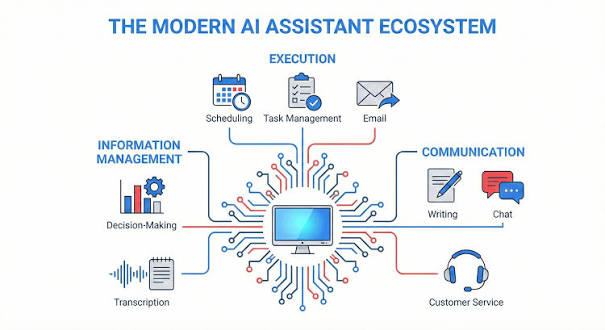
Common uses of AI Assistance include content creation, online learning, customer support, data analysis, personal scheduling, language translation, research support, and productivity improvement. Many people use AI assistants to save time and complete tasks more effectively.
Conclusion
AI Assistance is transforming the way people work, learn, and manage daily tasks. It improves productivity, saves time, and provides smart solutions across different industries. With responsible use, AI Assistance can support human creativity and decision-making, creating new opportunities for a more efficient and innovative future.