“15 Proven Career Growth Strategies to Build a Successful Professional Future”

Introduction to Career Growth
Career growth is one of the most important goals for professionals who want to build a successful and meaningful future. In today’s competitive world, simply having a job is not enough. People want opportunities to learn new skills, increase their income, take on new responsibilities, and achieve personal and professional satisfaction.
Career growth refers to the continuous process of improving your professional abilities, gaining experience, expanding your knowledge, and moving toward better career opportunities. It can include promotions, skill development, leadership roles, career changes, and personal improvement.
Every successful professional follows a journey of learning and development. Whether someone is starting their first job, changing industries, or aiming for a senior position, focusing on career growth can create better opportunities and long-term success.
The modern workplace is changing rapidly because of technology, artificial intelligence, globalization, and new business models. Employees who continue learning and improving their skills are more likely to succeed than those who remain comfortable with outdated methods.
Career growth is not only about earning a higher salary. It is also about becoming more confident, developing expertise, creating professional relationships, and building a career that matches your goals and values.
What Is Career Growth?
Career growth is the progress a person makes throughout their professional life. It includes gaining new skills, improving performance, accepting challenges, and achieving career objectives.
Many people think career growth only means getting a promotion, but it is much broader than that. A person can experience career growth by:
- Learning a new professional skill
- Taking advanced training courses
- Becoming better at communication
- Managing bigger projects
- Building leadership abilities
- Increasing professional confidence
- Expanding their professional network
- Moving into a better role
Career growth happens when a person actively works on improving themselves and creating new opportunities.
For example, an employee who starts as a junior marketing assistant may develop digital marketing skills, learn analytics, manage campaigns, and eventually become a marketing manager. This entire journey represents career growth.
Why Career Growth Is Important
Career growth plays a major role in personal happiness and professional success. Without growth, many people feel stuck and lose motivation in their jobs.
1. Better Career Opportunities
Continuous improvement helps professionals qualify for better positions. Companies usually prefer employees who show a willingness to learn and adapt.
When you improve your knowledge and skills, you become more valuable in the workplace. This can lead to promotions, new job offers, and leadership opportunities.
2. Increased Earning Potential
One of the biggest benefits of career growth is financial improvement. Professionals with advanced skills and experience often have access to higher-paying opportunities.
Developing expertise in valuable areas such as technology, management, communication, or problem-solving can significantly increase earning potential.
3. Personal Confidence
Career development improves confidence. When you learn new skills and successfully handle challenges, you begin trusting your abilities more.
Confidence helps professionals take initiative, share ideas, and accept greater responsibilities.
4. Job Satisfaction
People who continue growing often feel more satisfied with their careers. Learning new things prevents boredom and creates a sense of achievement.
A career that provides growth opportunities is usually more fulfilling than a position with no future development.
5. Professional Stability
Industries continue changing. New technologies and market trends can affect jobs across many fields.
Career growth helps professionals stay competitive by developing skills that remain valuable in changing environments.
Career Growth vs Career Development
Although these terms are often used together, they have slightly different meanings.
Career Growth
Career growth focuses on progress and advancement. It includes:
- Promotions
- Higher responsibilities
- Better positions
- Increased income
- Professional achievements
Career Development
Career development focuses on the process of improving yourself through:
- Education
- Training
- Skill building
- Mentorship
- Experience
Career development creates the foundation for career growth. When you develop yourself professionally, you increase your chances of career advancement.
Key Factors That Influence Career Growth
Many factors contribute to professional success. Understanding these factors can help individuals create a stronger career plan.
1. Skill Development
Skills are the foundation of career growth. Successful professionals continuously improve their abilities.
Important skills include:
- Communication skills
- Problem-solving skills
- Leadership skills
- Technical skills
- Time management
- Adaptability
- Teamwork
The more valuable skills you develop, the more opportunities become available.
2. Continuous Learning
The best professionals never stop learning. Industries change quickly, and new knowledge creates new opportunities.
Continuous learning can include:
- Online courses
- Professional certifications
- Books
- Workshops
- Industry events
- Mentorship programs
A learning mindset helps professionals remain competitive.
3. Setting Clear Goals
Career growth requires direction. Without clear goals, it becomes difficult to measure progress.
Effective career goals should be:
- Specific
- Realistic
- Measurable
- Time-based
For example:
Instead of saying:
“I want to improve my career.”
A better goal is:
“I want to become a project manager within three years by improving leadership skills and completing project management training.”
4. Building Professional Relationships
Networking is a powerful part of career growth. Strong professional relationships can create opportunities, provide guidance, and improve knowledge.
Networking can happen through:
- Workplace connections
- Industry events
- Professional communities
- Online platforms
- Mentorship relationships
A strong network can support career advancement throughout your professional journey.
How to Create a Career Growth Plan
A career growth plan is a roadmap that helps you achieve your professional goals.
Step 1: Understand Your Current Position
Start by evaluating your current skills, experience, and career situation.
Ask yourself:
- What are my strengths?
- What skills do I need to improve?
- Where do I want to be in the future?
- What challenges are limiting my progress?
Self-awareness is the first step toward improvement.
Step 2: Identify Your Career Goals
Define what success means to you.
Your goals may include:
- Getting promoted
- Changing careers
- Starting a business
- Becoming a specialist
- Developing leadership skills
Clear goals make your career journey easier to manage.
Step 3: Develop Required Skills
Research the skills needed for your desired career path.
For example:
Someone interested in management may need:
- Leadership skills
- Communication abilities
- Decision-making skills
- Team management experience
Someone interested in technology may need:
- Programming knowledge
- Data analysis skills
- Artificial intelligence skills
Step 4: Track Your Progress
Regularly review your achievements and improvements.
Tracking progress helps you understand:
- What is working
- What needs improvement
- Which goals have been achieved
- What new goals should be created
Essential Skills That Help You Achieve Career Growth
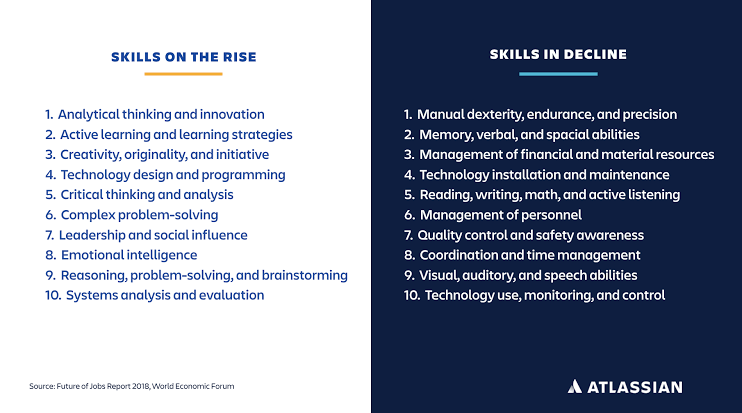
Career growth depends heavily on the skills you develop throughout your professional journey. In the modern workplace, employers are not only looking for people who can complete tasks; they want professionals who can solve problems, communicate effectively, adapt to change, and create value.
Developing the right skills can open doors to better opportunities, higher positions, and long-term professional success.
1. Communication Skills: The Foundation of Career Growth
Communication is one of the most important skills for career growth. No matter what industry you work in, the ability to express ideas clearly and understand others is essential.
Strong communication helps professionals:
- Share ideas effectively
- Build better relationships
- Avoid misunderstandings
- Work successfully in teams
- Present themselves professionally
Communication includes both verbal and written skills. Professionals should learn how to write clear emails, create professional reports, participate in meetings, and explain complex ideas in simple ways.
How to Improve Communication Skills
You can improve communication by:
- Practicing active listening
- Reading professional content
- Improving vocabulary
- Joining discussions
- Asking for feedback
- Learning presentation skills
People with strong communication abilities often become better leaders because they can influence and motivate others.
2. Leadership Skills for Professional Advancement
Leadership is not only important for managers. Every professional can benefit from developing leadership abilities.
Leadership means taking responsibility, supporting others, and creating positive results.
Important leadership qualities include:
- Decision-making
- Problem-solving
- Confidence
- Emotional intelligence
- Accountability
- Team management
A person with leadership skills can handle challenges more effectively and become ready for higher responsibilities.
How Leadership Supports Career Growth
Companies value employees who can:
- Guide teams
- Take initiative
- Manage projects
- Find solutions
- Support company goals
Developing leadership skills increases your chances of moving into senior roles.
3. Problem-Solving Skills
Every workplace faces challenges. Professionals who can identify problems and create solutions are highly valuable.
Problem-solving involves:
- Understanding the situation
- Finding possible solutions
- Evaluating options
- Making decisions
- Taking action
Strong problem-solving skills help employees become reliable and trusted members of an organization.
Ways to Improve Problem-Solving Skills
- Analyze situations carefully
- Learn from previous mistakes
- Study successful solutions
- Develop critical thinking
- Ask experienced professionals for advice
4. Time Management Skills
Time management is a major factor in career growth. Professionals who manage their time effectively can complete more work while maintaining quality.
Poor time management can lead to:
- Missed deadlines
- Stress
- Lower productivity
- Poor performance
Effective time management includes:
- Setting priorities
- Creating schedules
- Avoiding distractions
- Planning tasks
- Managing workload
Successful professionals understand that time is one of their most valuable resources.
5. Adaptability and Flexibility
The workplace is constantly changing. New technologies, business strategies, and customer expectations require professionals to adapt quickly.
Adaptability means being willing to learn and adjust when situations change.
Employees who demonstrate flexibility are more likely to succeed because they can handle uncertainty.
Examples of adaptability include:
- Learning new software
- Accepting new responsibilities
- Adjusting to workplace changes
- Developing new skills
Adaptable professionals often have stronger career growth because they remain useful in changing environments.
6. Digital Skills and Technology Knowledge
Technology has transformed almost every industry. Digital skills are now important for professionals in almost every career field.
Examples of valuable digital skills include:
- Data analysis
- Artificial intelligence knowledge
- Online collaboration tools
- Digital marketing
- Cybersecurity awareness
- Software skills
Professionals who understand technology can work more efficiently and create better results.
The rise of artificial intelligence has made technology knowledge even more valuable. Learning how to use modern tools can provide a significant career advantage.
7. Emotional Intelligence
Emotional intelligence is the ability to understand and manage your emotions while recognizing the emotions of others.
It includes:
- Self-awareness
- Self-control
- Empathy
- Relationship management
Professionals with strong emotional intelligence often build better workplace relationships.
Emotional intelligence helps with:
- Conflict resolution
- Teamwork
- Leadership
- Communication
Many successful leaders consider emotional intelligence one of the most important career skills.
8. Networking Skills
Professional networking is a powerful tool for career growth. Building relationships with people in your industry can create new opportunities.
Networking helps professionals:
- Discover job opportunities
- Learn from experts
- Exchange ideas
- Find mentors
- Build professional reputation
Effective networking is not only about meeting people. It is about creating meaningful and valuable relationships.
Tips for Better Networking
- Attend industry events
- Participate in professional communities
- Connect with professionals online
- Offer value to others
- Maintain relationships over time
Personal Branding and Career Growth
Personal branding has become an important part of professional success. Your personal brand represents how others see your skills, experience, and professional identity.
A strong personal brand can help you stand out in a competitive job market.
What Is Personal Branding?
Personal branding is the process of creating and managing your professional reputation.
It includes:
- Your expertise
- Your achievements
- Your communication style
- Your online presence
- Your professional values
A strong personal brand shows employers and colleagues what makes you valuable.
How to Build a Strong Personal Brand
1. Define Your Professional Identity
Understand what you want to be known for.
Ask yourself:
- What skills make me unique?
- What value can I provide?
- What areas do I want to specialize in?
2. Create a Professional Online Presence
Many employers research candidates online. Maintaining a professional profile can improve career opportunities.
A professional online presence may include:
- A strong profile description
- Career achievements
- Industry knowledge
- Professional discussions
3. Share Knowledge and Insights
Sharing useful information can help establish credibility.
You can:
- Write articles
- Share industry updates
- Discuss professional experiences
- Participate in online communities
Knowledge sharing helps others recognize your expertise.
The Importance of Continuous Learning for Career Growth
Continuous learning is one of the strongest drivers of career success.
The world changes quickly, and professionals who continue learning remain competitive.
Learning can happen through:
- Online courses
- Books
- Certifications
- Workshops
- Professional training
- Practical experience
A growth mindset encourages people to see challenges as opportunities to improve.
Building a Growth Mindset
A growth mindset means believing that abilities can improve through effort and learning.
Professionals with a growth mindset:
- Accept feedback
- Learn from mistakes
- Try new approaches
- Take on challenges
- Continue improving
This mindset creates long-term career success.
Common Mistakes That Slow Career Growth
Many professionals experience slow progress because of certain mistakes.
1. Avoiding New Challenges
Staying only in comfortable situations can limit growth.
Taking new responsibilities helps develop experience and confidence.
2. Ignoring Skill Development
Industries change constantly. Failing to update skills can reduce career opportunities.
3. Poor Networking
Professional relationships are important. Ignoring networking can limit future possibilities.
4. Not Asking for Feedback
Feedback helps identify strengths and areas for improvement.
5. Lack of Clear Goals
Without direction, career progress becomes difficult to measure.
Frequently Asked Questions (FAQs) About Career Growth
1. What is Career Growth?
Career Growth is the process of improving your professional skills, gaining experience, achieving career goals, and moving toward better job opportunities. It includes learning new skills, getting promotions, increasing responsibilities, and developing yourself for long-term professional success.
2. Why is Career Growth important?
Career Growth is important because it helps professionals increase their knowledge, improve job satisfaction, earn better income, and create more opportunities. Continuous growth also helps people stay competitive in a changing workplace.
3. How can I improve my Career Growth?
You can improve Career Growth by learning new skills, setting clear goals, building professional relationships, improving communication, seeking feedback, and staying updated with industry trends.
4. What skills are important for Career Growth?
Important skills for Career Growth include communication, leadership, problem-solving, time management, adaptability, digital skills, teamwork, and emotional intelligence. These skills help professionals perform better and advance in their careers.
5. How does continuous learning help Career Growth?
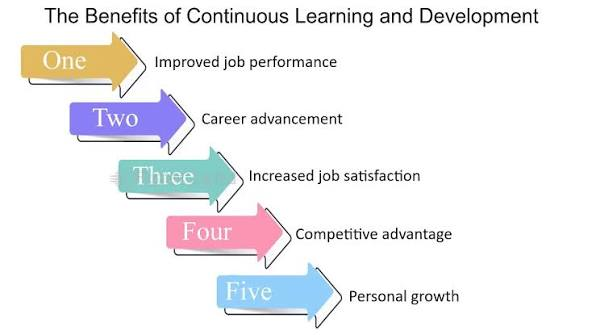
Continuous learning helps Career Growth by allowing professionals to gain new knowledge, adapt to changes, and improve their abilities. Learning new skills increases confidence and creates better opportunities for career advancement.
Conclusion
Career Growth is a continuous journey of learning, improvement, and professional development. By building valuable skills, setting clear goals, adapting to changes, and seeking new opportunities, individuals can achieve long-term success. Investing in personal and professional growth creates confidence, better career opportunities, and a more successful future.